From Sweden to Chile: Insights to Accelerate Timber Construction
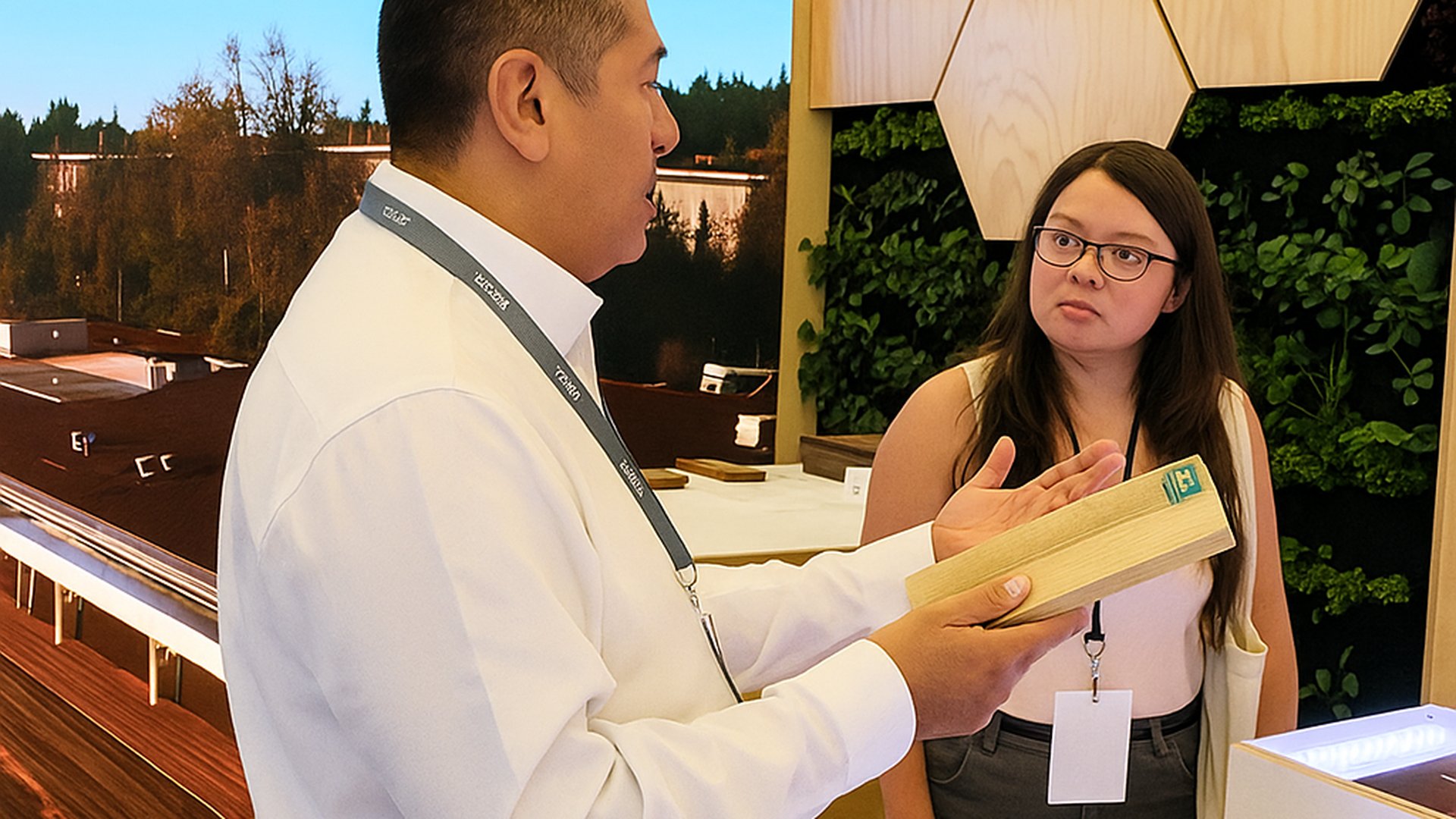
On April 22, the Official Residence of Sweden in Chile hosted a strategic conversation about the future of construction in the country. As part of the event “Building a Timber Future: From Sweden to Chile, a Comparative Ecosystem Experience” representatives from the public, private, and academic sectors gathered to address a shared challenge: how to accelerate the adoption of wood in urban development.
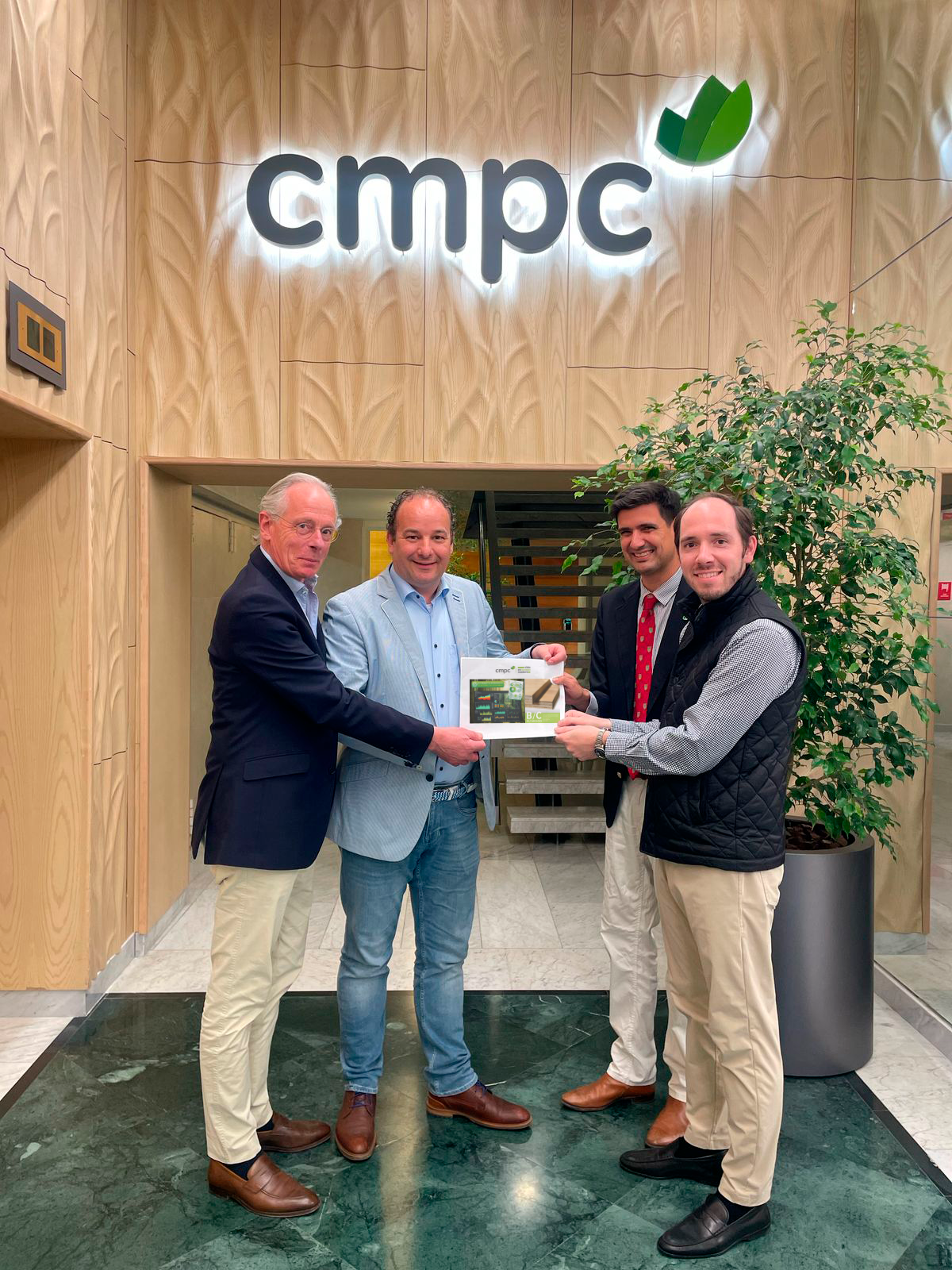
Organized by Niuform, a CMPC company, together with the Embassy of Sweden, the event brought two realities into dialogue: Chile’s, currently in a consolidation phase, and Sweden’s, globally recognized for its leadership in timber construction. Rather than a comparison, the meeting created a space to identify actionable insights and move toward large-scale implementation.
Mass Timber in Chile: The Future Is Now
One of the key themes throughout the discussion was that Mass Timber has moved beyond the validation stage. Today, its technical, industrial, and regulatory development has enabled its presence in real-world projects, with increasingly sophisticated solutions and an evolving value chain.
In this context, the challenge is shifting: it is no longer about demonstrating its benefits, but about enabling the conditions for widespread adoption.
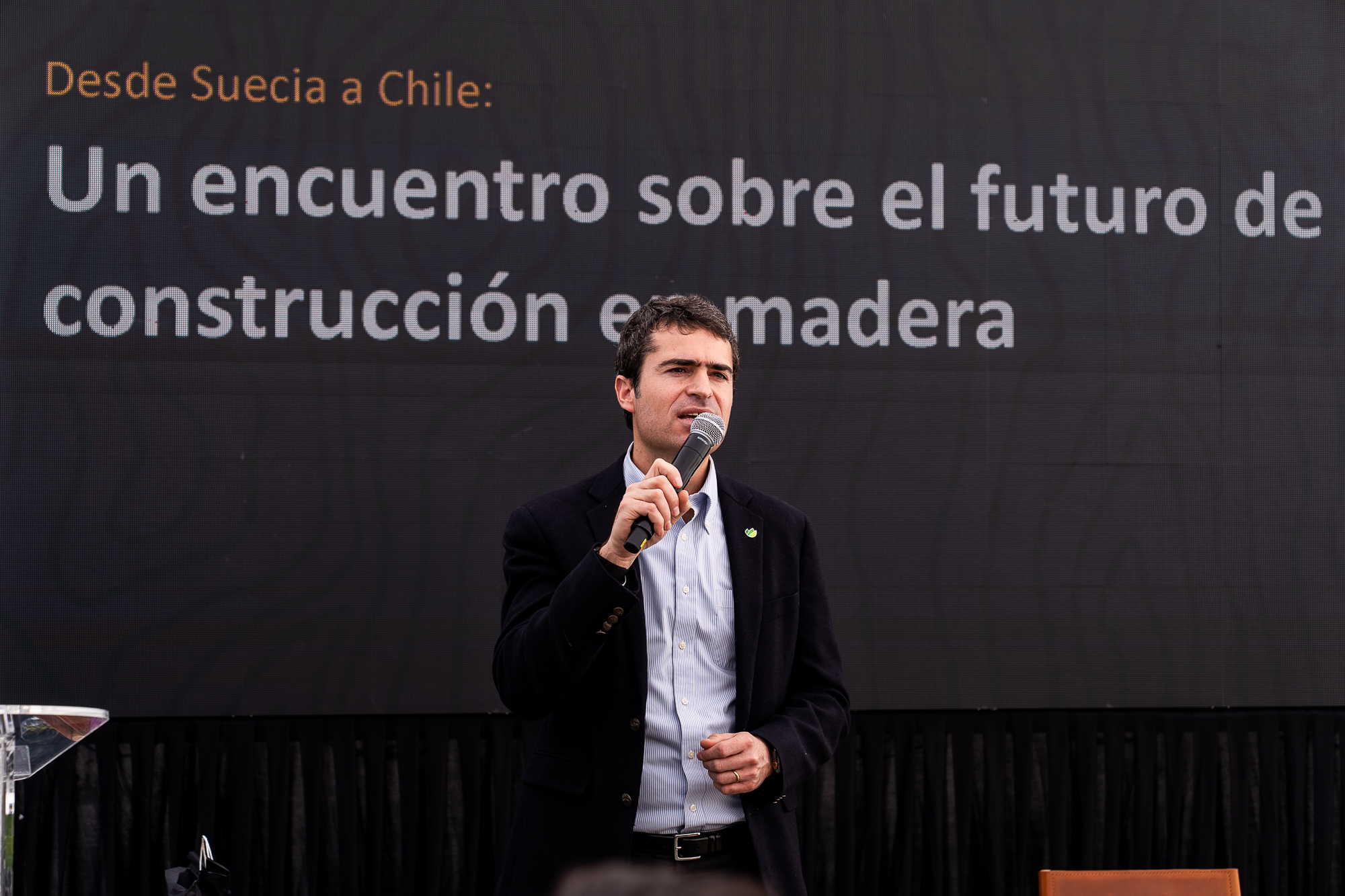
Juan Pablo Pereira, CMPC Maderas Manager, made this clear: the sector’s progress will depend on the ability to coordinate efforts among stakeholders, strengthen capabilities, and create an environment that facilitates the implementation of these construction systems.
Sweden’s Experience as a Competitive Advantage
Sweden’s contribution to the event was not only its level of development, but also the opportunity to share a path already traveled. With decades of progress in timber construction, its experience helps anticipate challenges and accelerate decision-making.
Sweden’s Ambassador to Chile, Sofía Karlberg, highlighted that a key value of this collaboration lies in transferring accumulated knowledge, including both successes and lessons learned.
“We are pleased to see how this collaboration can be replicated in Chile, thanks to the openness and willingness of companies such as Niuform and CMPC Maderas, who have been great partners. We will certainly continue collaborating with companies in Chile to keep advancing in this field”, she stated.
She also emphasized the role that companies with strong technical and industrial capabilities can play in adapting these experiences to the local context, facilitating their implementation in Chile.
The Need for an Ecosystem Approach
Throughout the panels—covering different dimensions of the sector, from architecture to financing—a shared diagnosis emerged: while there has been tangible progress, it remains fragmented.
Challenges persist in areas such as regulation, professional training, and coordination among stakeholders, limiting broader adoption of timber construction.
In response, the event emphasized the need to move from isolated initiatives to an ecosystem approach, where collaboration becomes a structural pillar.
The “triple helix” concept—integrating public sector, private sector, and academia—emerged as a key model to achieve this goal, enabling alignment of visions and accelerating transformation processes.
The Role of the Public Sector in Enabling Change
From the public sector perspective, participants highlighted the importance of creating conditions that allow this development to scale effectively.
The Undersecretary of Public Works, Nicolás Balmaceda, underscored the value of such forums in strengthening coordination among stakeholders and shaping a long-term agenda. He also noted that closer collaboration between the State and the industry will be essential to position wood as a relevant material in infrastructure and construction.
“We need effective public–private cooperation for wood to reclaim its rightful place as a material for infrastructure projects. If we can align these efforts, we will be able to advance the country’s sustainability goals”, he explained.
Supporting Growth from the Industry
The development of the sector also requires an active role from the industry—not only in providing solutions, but in supporting those who drive projects forward.
In this regard, Jorge Becerra, Niuform’s Sales and Services Manager, emphasized the importance of supporting companies, project owners, and architects, as well as continuing to promote the benefits of timber construction.
This process—marked by knowledge transfer and capability building—appears critical at a time that many stakeholders recognize as a turning point for Chile.
An Opportunity That Requires Coordination
Beyond the different perspectives, the event reached a common conclusion: Chile has the conditions to advance toward more sustainable construction based on wood, but its development will depend on the ability to coordinate efforts.
This involves connecting regulation, innovation, investment, and urban planning under a shared vision.
The challenge is significant—but so is the opportunity. With a coordinated strategy and shared learning, the country can not only accelerate the adoption of timber, but also position itself as a benchmark in the development of construction solutions aligned with today’s challenges.
“If we act with vision and collaboration, Chile can not only play a leading role in the construction of the future, but also become a benchmark for how a country strategically leverages the opportunities of its own productive environment”, concluded Juan Pablo Pereira.